



Taking a closer look at LHC
Please note that the news items presented here relate to 2025 and are those that the authors consider to be of interest for the purpose of this website, with CERN, and the LHC in particular, as the main protagonists.
These news items were initially on the Home page. Please note that some of the news items shown here were subsequently confirmed, updated and others discarded.
ALICE solves mystery of light-nuclei survival.
Dec 2025
Researchers at ALICE studied deuterons (a proton and a neutron bound together) and antideuterons (an antiproton and an antineutron) that were produced in high-energy collisions of protons at the LHC. They found evidence that, rather than emerging directly from the collisions, nearly 90% of the deuterons and antideuterons were created by the nuclear fusion of particles emerging from the collision, with one of their constituent particles coming from the decay of a short-lived particle.
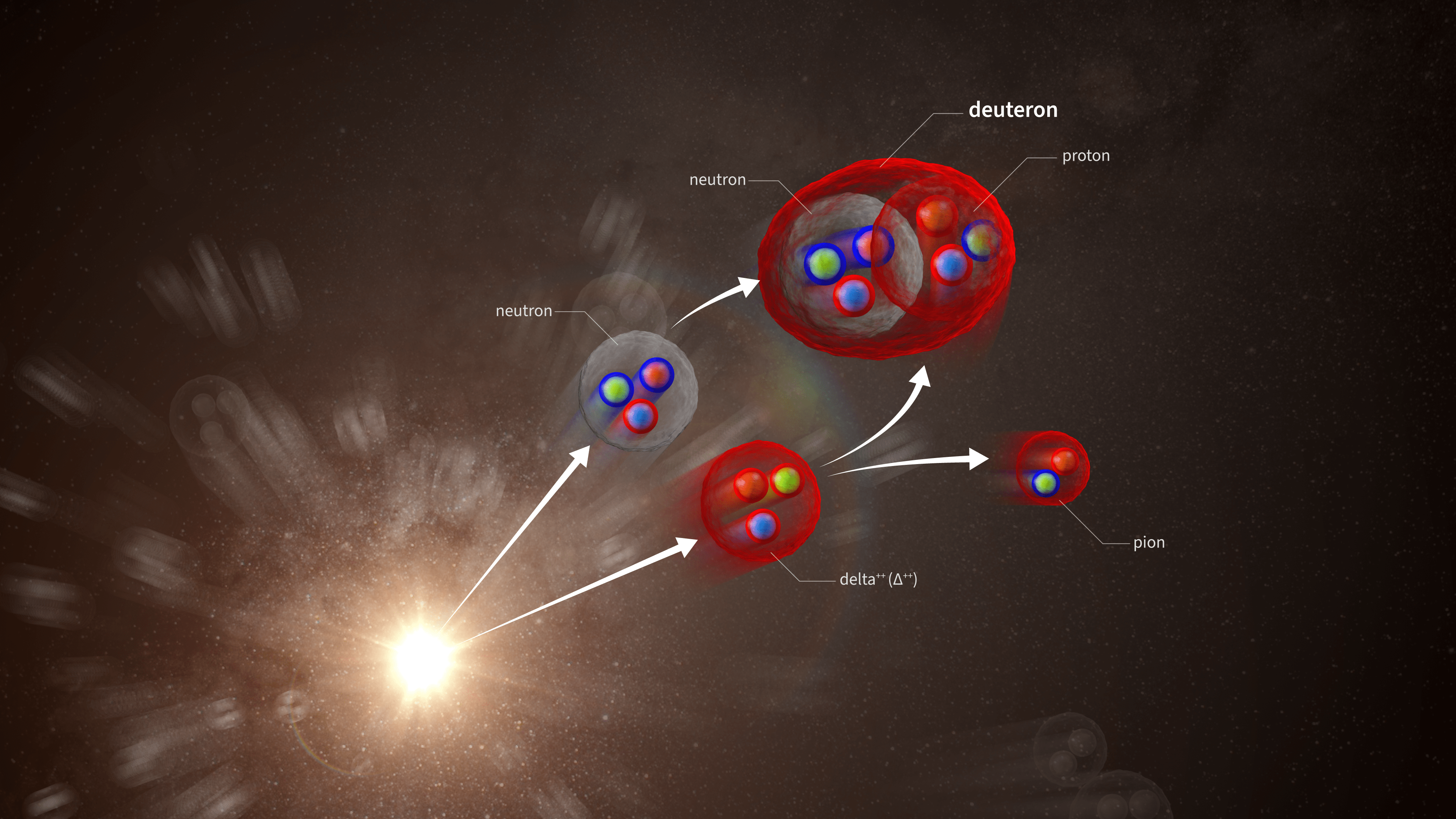
Illustration of how deuterons can be produced from a high-energy collision at the LHC (Image: CERN).
These findings not only explain a long-standing puzzle in nuclear physics but could have far-reaching implications for astrophysics and cosmology. Light nuclei and antinuclei are also produced in interactions between cosmic rays and the interstellar medium, and they may be created in processes involving the dark matter that pervades the Universe. By building reliable models for the production of light nuclei and antinuclei, physicists can better interpret cosmic-ray data and look for possible dark-matter signals.
The ALICE observation provides a solid experimental foundation for modelling light-nuclei formation in space. It shows that most of the light nuclei observed are not created in a single thermal burst, but rather through a sequence of decays and fusions that occur as the system cools.
Deciphering the heavyweights of the tetraquark world.
Dec 2025
To date, the Large Hadron Collider (LHC) at CERN has discovered 80 particles. The LHC’s most striking discoveries is the confirmation of exotic hadrons composed of four or five quarks.
The exact nature of these exotic hadrons is far from established.
In a paper published today in the journal Nature, the CMS collaboration has reported the first measurement of the quantum properties of a family of three “all-charm” tetraquarks.
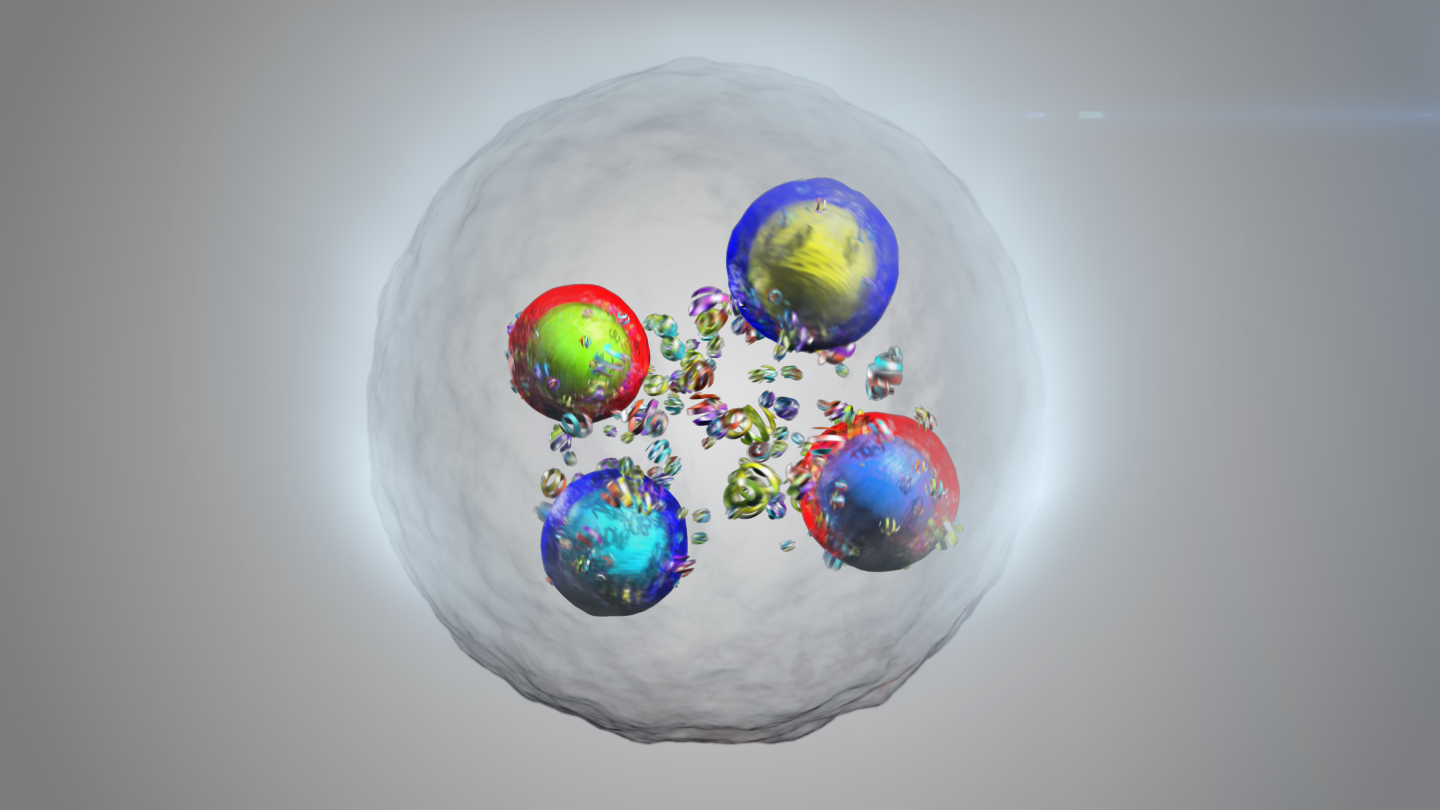
Illustration of a tetraquark composed of two charm quarks and two charm antiquarks (Image CERN).
Nov 2025
The CERN Council reaffirmed its strong wish to maintain CERN as a leader in particle physics and views the continuation of the FCC study as a step towards this goal.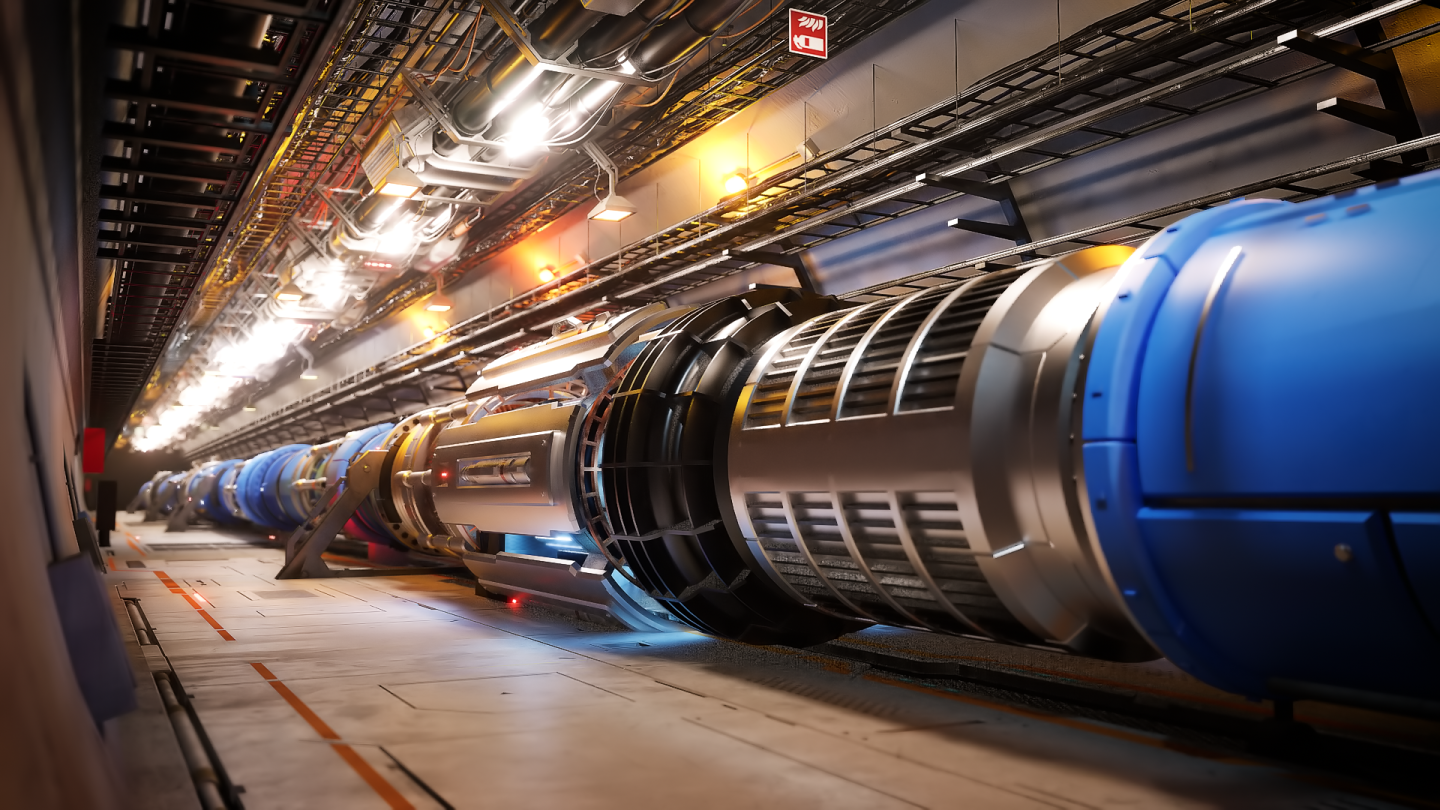
Nov 2025
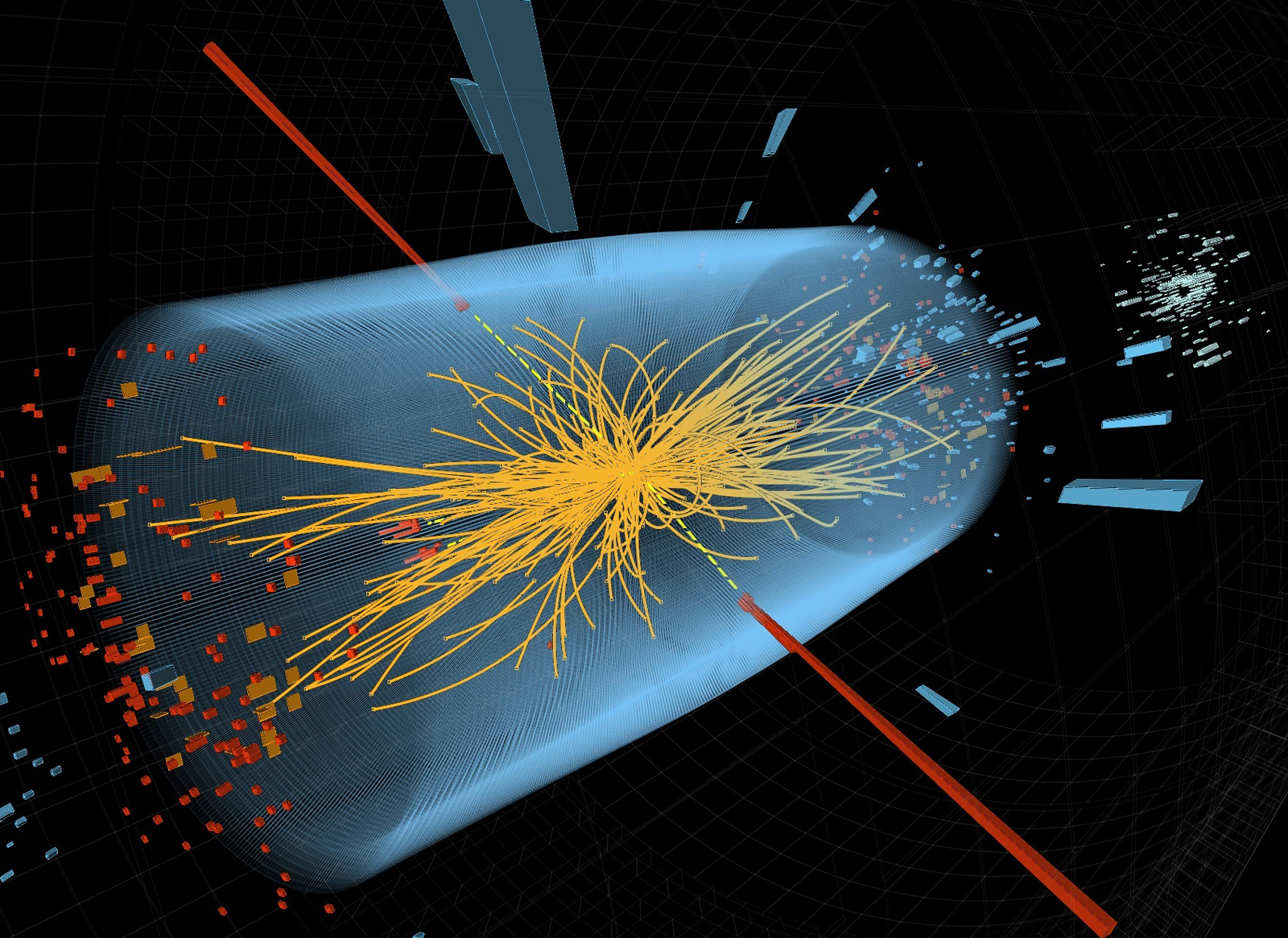
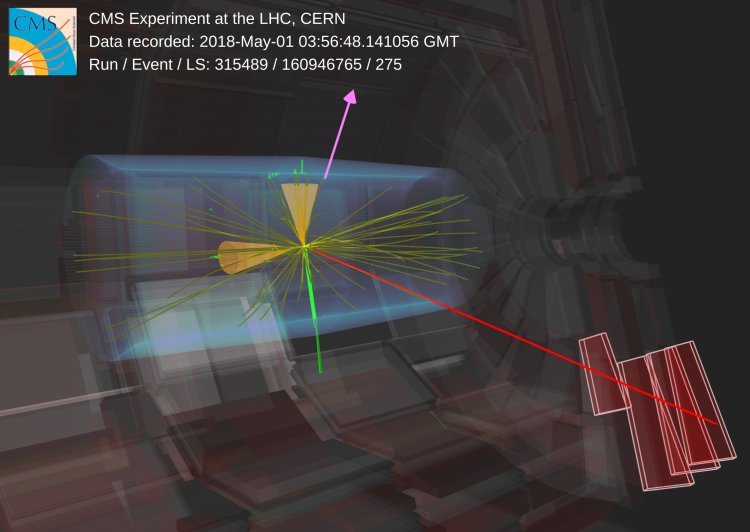
For the first time, the CMS collaboration has observed the production of a single top quark along with a W and a Z boson, an extremely rare process that happens only once every trillion proton collisions. Finding this event in the LHC data is like searching for a needle in a haystack the size of an Olympic stadium.
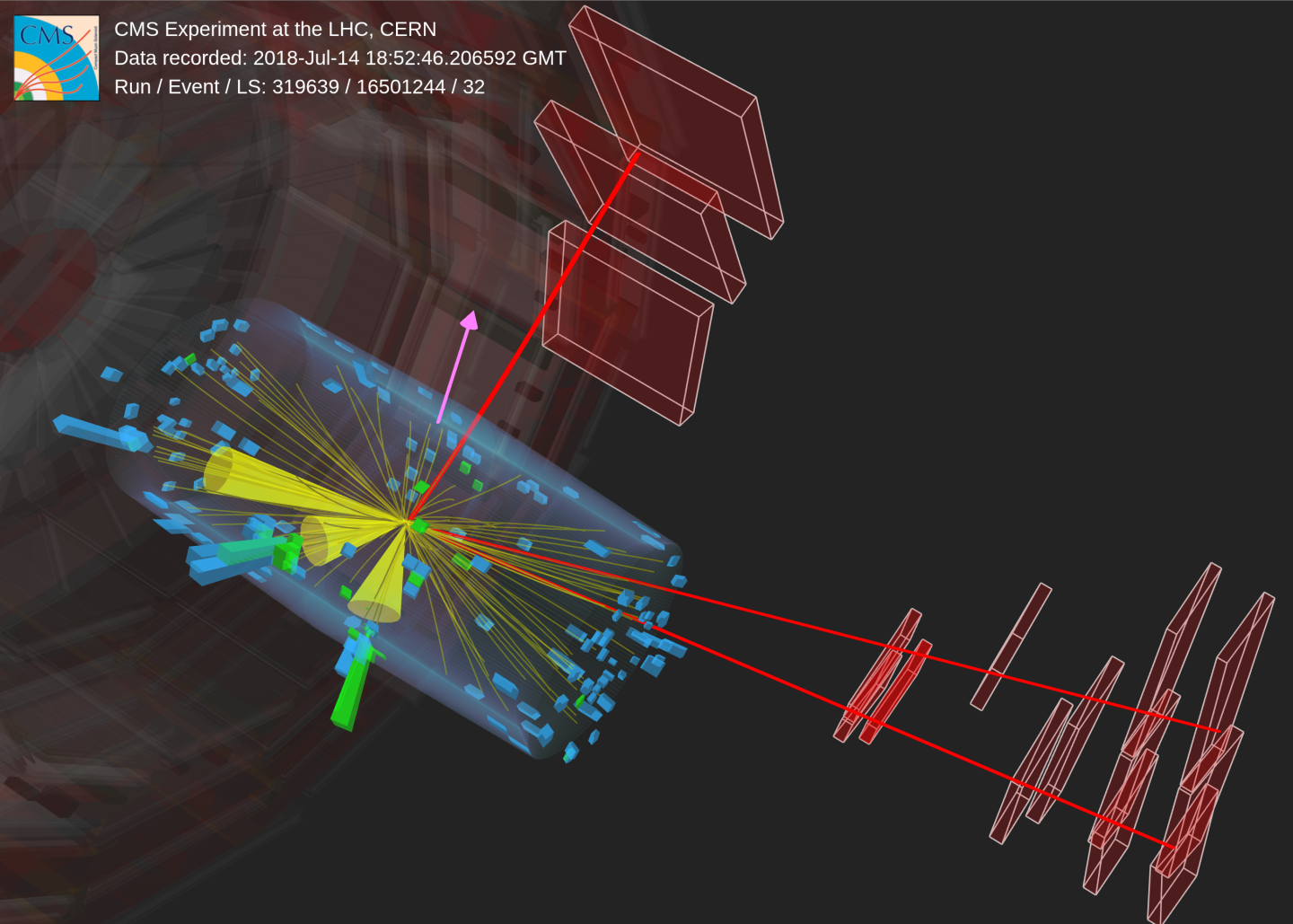
This is an event seen in the CMS detector with a signature consistent with production of a top quark, a W boson and a Z boson
This incredibly rare phenomenon, observed at the CMS experiment, can help probe the fundamental forces of nature.
The accelerator chain prepares for high luminosity.
Oct 2025
Intensity is rising in the Large Hadron Collider (LHC): in the first half of October 2025, the accelerator propelled particle bunches containing more than 230 billion protons (2.3 x 10¹¹): 40% more than standard bunches. As they collided inside the experiments, these bunches generated an average of 150 collisions, compared to around 65 collisions during ordinary operations.
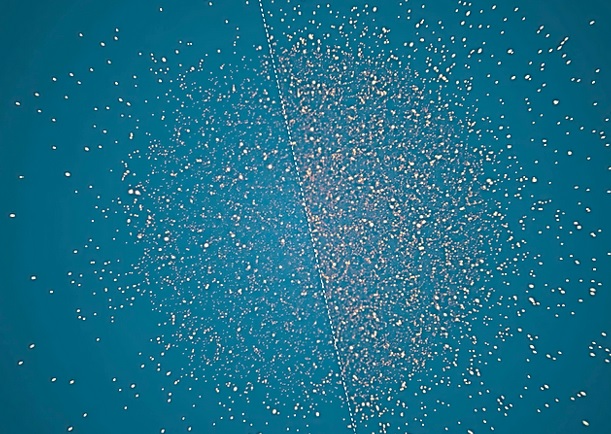
Simulated image of the protons in an LHC bunch (left) and an HL-LHC bunch (right). (Image: CERN).
These tests, which ran for several hours, were aiming to study the lifespan of beams in collision mode, in conditions similar to those expected in the High-Luminosity (HL-LHC)..
CERN launches Generation Higgs, its new cultural season 2025/2026.
Set 2025
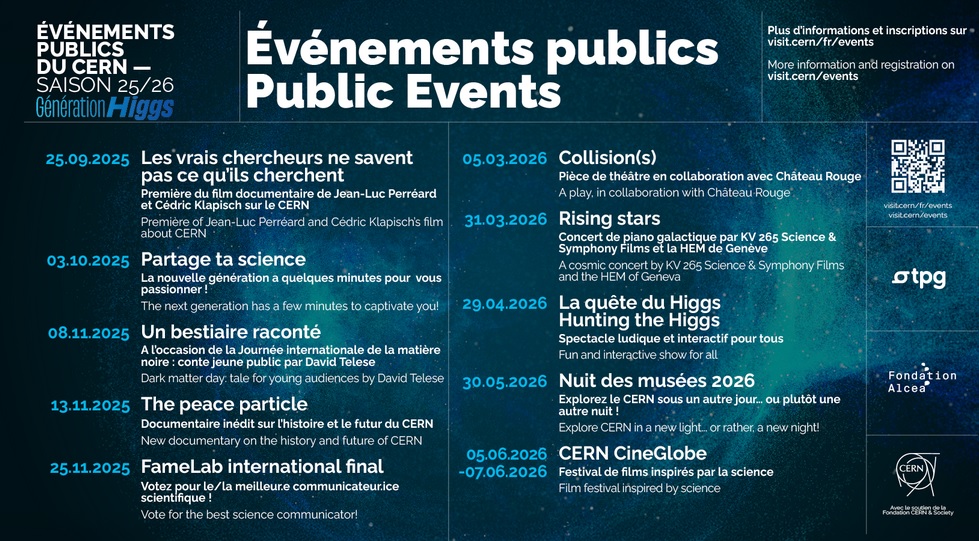
With Generation Higgs, CERN honours the young minds already shaping today’s scientific landscape.
AWAKE accelerator upgrade gets a head start
August 2025
Trailblazing plasma wakefield experiment, AWAKE, begins its upgrade one year ahead of the rest of CERN’s accelerator complex.
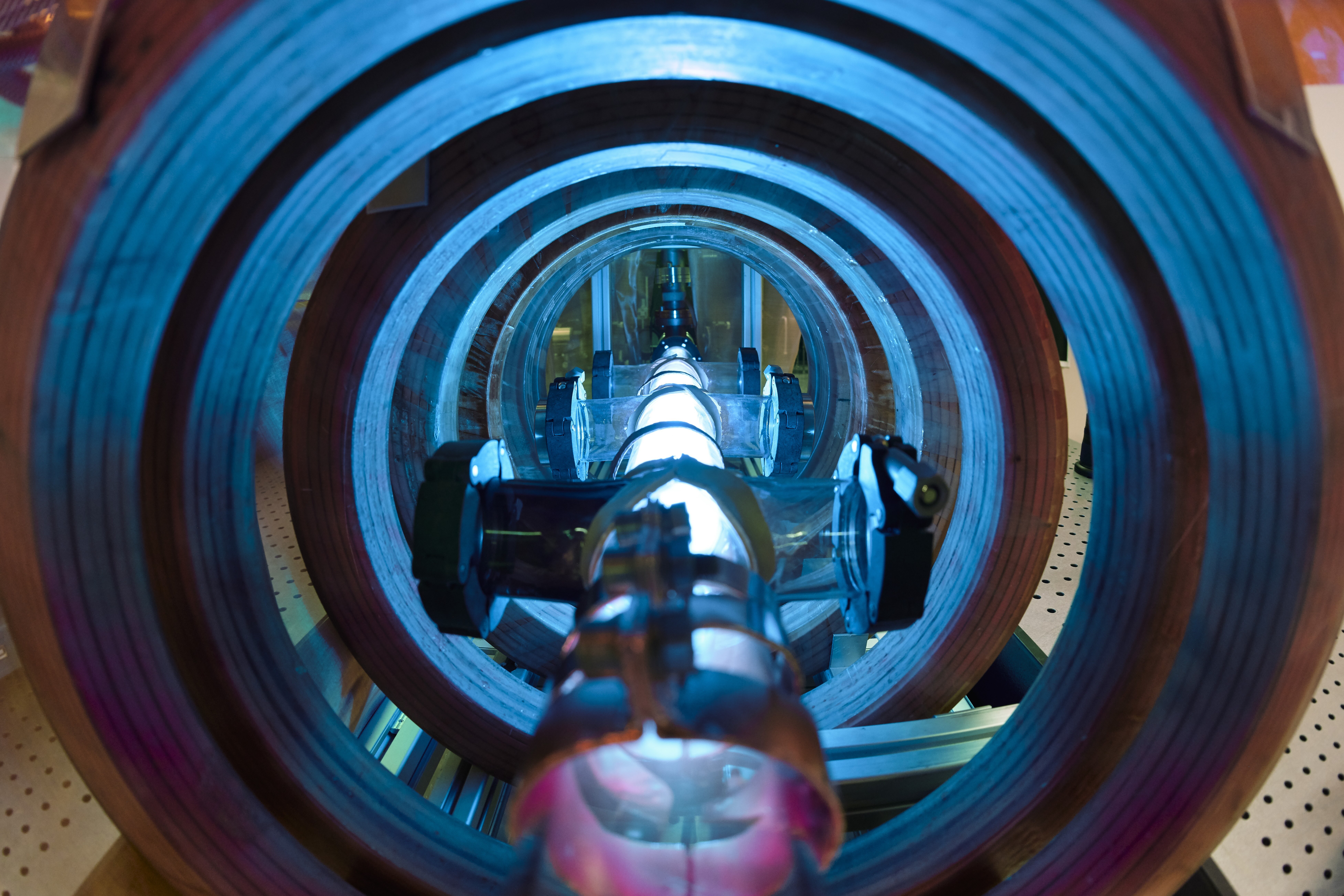
AWAKE Prototype (Image CERN)
AWAKE’s acceleration technique uses a proton beam from CERN’s Super Proton Synchrotron (SPS) to create crests and troughs in a plasma’s electric field, which can then be used to accelerate particles such as electrons.
Observation of charge–parity symmetry breaking in baryon decays.
July 2025
A new piece in the matter–antimatter puzzle.
At the annual Rencontres de Moriond conference taking place in La Thuile, Italy, the LHCb collaboration at CERN reported a new milestone in our understanding of the subtle yet profound differences between matter and antimatter.
The LHCb collaboration observed CP violation in the beauty-lambda baryon Λb, which is composed of an up quark, a down quark and a beauty quark.
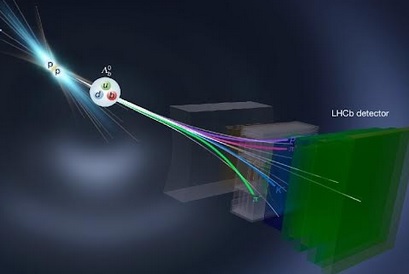
Illustration Λb production and decay (Image Nature)
The analysis showed that the difference between the numbers of Λb and anti-Λb decays, divided by the sum of the two, differs by 2.45% from zero with an uncertainty of about 0.47%. Statistically speaking, the result differs from zero by 5.2 standard deviations, which is above the threshold required to claim an observation of the existence of CP violation in this baryon decay.
The paper "Observation of charge-parity symmetry breaking in baryon decays" was published in the journal Nature.
Two important Higgs boson processes presented by ATLAS.
July 2025
The ATLAS collaboration presented at the the 2025 European Physical Society Conference on High Energy Physics (EPS-HEP), important results on two exceptionally rare decays of the Higgs boson.
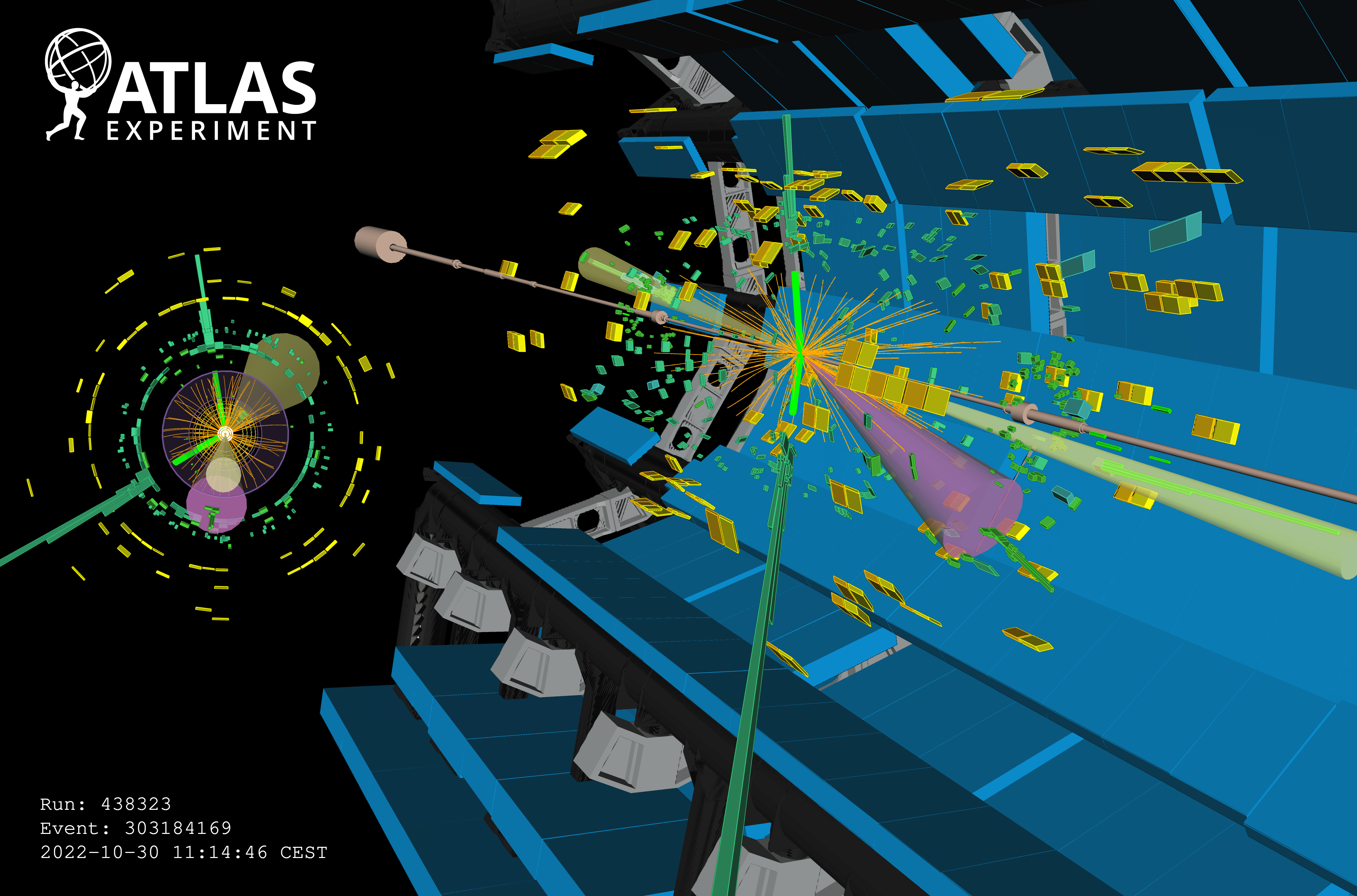
Image ATLAS Collaboration.
The first process under study was the Higgs-boson decay into a pair of muons (H→μμ), and the second one was was the Higgs-boson decay into a Z boson and a photon (H→Zγ), where the Z boson subsequently decays into electron or muon pairs.
First-ever collisions of oxygen at the LHC.
July 2025
The accelerator collided beams of protons and oxygen ions for the very first time.
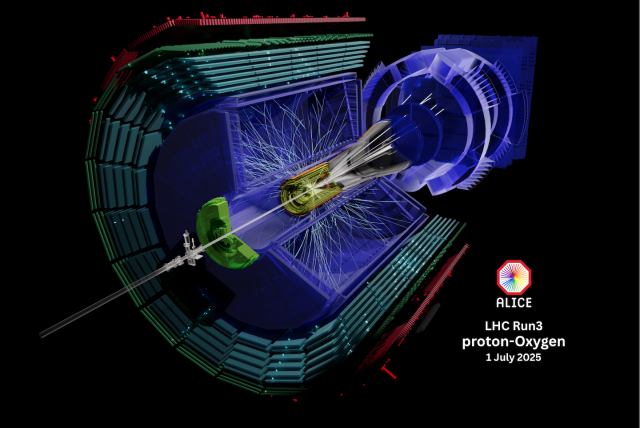
(Image CERN)
From 29 June to 9 July 2025, the LHC switch to a special operations: two days of proton–oxygen ion collisions, followed by – additional firsts – two days of oxygen–oxygen collisions and one day of neon–neon collisions.
CERN Directors for 2026–2030.
June 2025
Director for Accelerators and Technology: Oliver Brüning.
Director for Stakeholder Relations: Ursula Bassler.
Director for Finance and Human Resources: Jan-Paul Brouwer.
Director for Site Operations: Mar Capeans.
Chief Information Officer (CIO): Enrica Porcari.
The first dedicated Z-boson mass measurement at the LHC.
June 2025
The LHCb collaboration reports the first dedicated measurement of the Z boson mass at the LHC, using data from high-energy collisions between protons recorded in 2016 during the collider’s second run.
The new LHCb measurement is based on a sample of 174000 Z bosons decaying into pairs of muons. The measurement resulted in a mass of 91184.2 million electronvolts (MeV) with an uncertainty of just 9.5 MeV – or about a hundredth of a per cent.
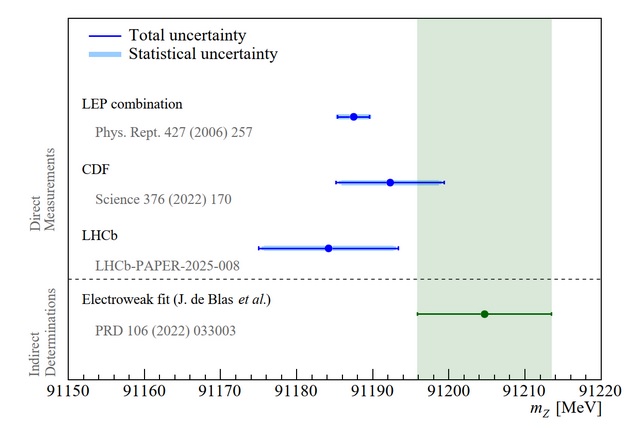
Comparison of the measured Z boson mass with the Standard Model prediction (green) and with measurements from LEP and the CDF experiment. (Image: LHCb/CERN)
ALICE eyes the cosmos.
June 2025
Cosmic rays are high-energy particles from outer space that strike Earth’s atmosphere, generating showers of secondary particles, such as muons, that can reach the planet’s surface.
In recent years, ground-based experiments have detected more cosmic muons than current theoretical models predict, a discrepancy known as the muon puzzle.
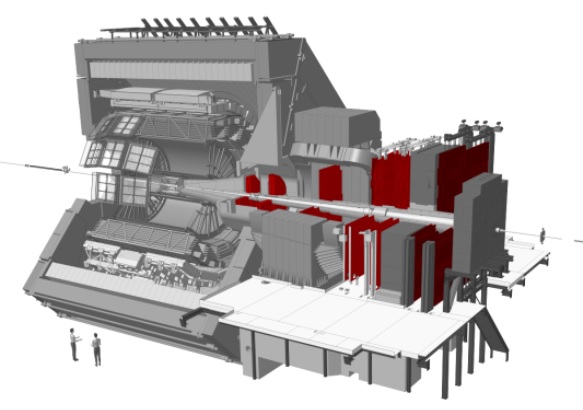
ALICE Detector (Image CERN)
New data from the ALICE experiment, collected when no particle beams were circulating in the LHC during pauses in Run 2, may contribute to solving a puzzle surrounding cosmic muons.
And they’re off! The 2025 LHC physics season gets underway.
May 2025
“Stable" particle beams are back in the LHC machine, marking the start of the 2025 physics data-taking campaign, the fourth year of the LHC's third operating period (Run 3).
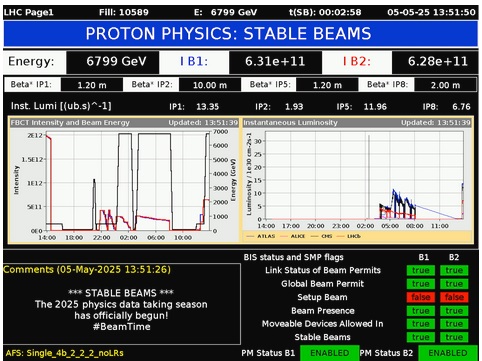

The 2025 campaign start with proton collisions at 13.6 TeV, and the proposed integrated luminosity targets for the LHC's four experiments are ambitious, aiming for almost as much as in 2024, although the proton-proton programme will be shorter than last year. The lead ion campaign will take place in October and November, and the lessons learned from the 2024 campaign could lead to further optimisation, and therefore greater integrated luminosity. New in 2025: the LHC’s first oxygen ion run will take place in July.
AI enhances Higgs boson’s charm.
May 2025
The Higgs boson’s interaction with lighter “second-generation” quarks, such as the charm quark, and the lightest “first-generation” quarks – the up and down quarks that make up the building blocks of atomic nuclei – remains a formidable challenge, leaving unanswered the question of whether or not the Higgs boson is responsible for generating the masses of the quarks that make up ordinary matter.
Researchers study the Higgs boson's interactions by looking at how the particle decays into – or is produced with – other particles in high-energy proton–proton collisions at the LHC. At a seminar held at CERN in 2025 may, the CMS experiment collaboration reported the results of the first search for a Higgs boson decaying into a pair of charm quarks in collision events where the Higgs boson is produced alongside two top quarks. Exploiting cutting-edge AI techniques, this novel search has been used to set the most stringent limits to date on the interaction between the Higgs boson and the charm quark.
As the LHC continues to collect data, refinements in charm tagging and Higgs boson event classification could eventually allow CMS, and its companion experiment ATLAS, to confirm the Higgs boson’s decay into charm quarks. This would be a major step towards a complete understanding of the Higgs boson’s role in the generation of mass for all quarks and provide a crucial test of the Standard Model.
ALICE detects the conversion of lead into gold at the LHC.
May 2025
Near-miss collisions between high-energy lead nuclei at the LHC generate intense electromagnetic fields that can knock out protons and transform lead into fleeting quantities of gold nuclei
The ALICE analysis shows that, during Run 2 of the LHC (2015–2018), about 86 billiongold nuclei were created at the four major experiments. In terms of mass, this corresponds to just 29 picograms (2.9 ×10⁻¹¹ g).
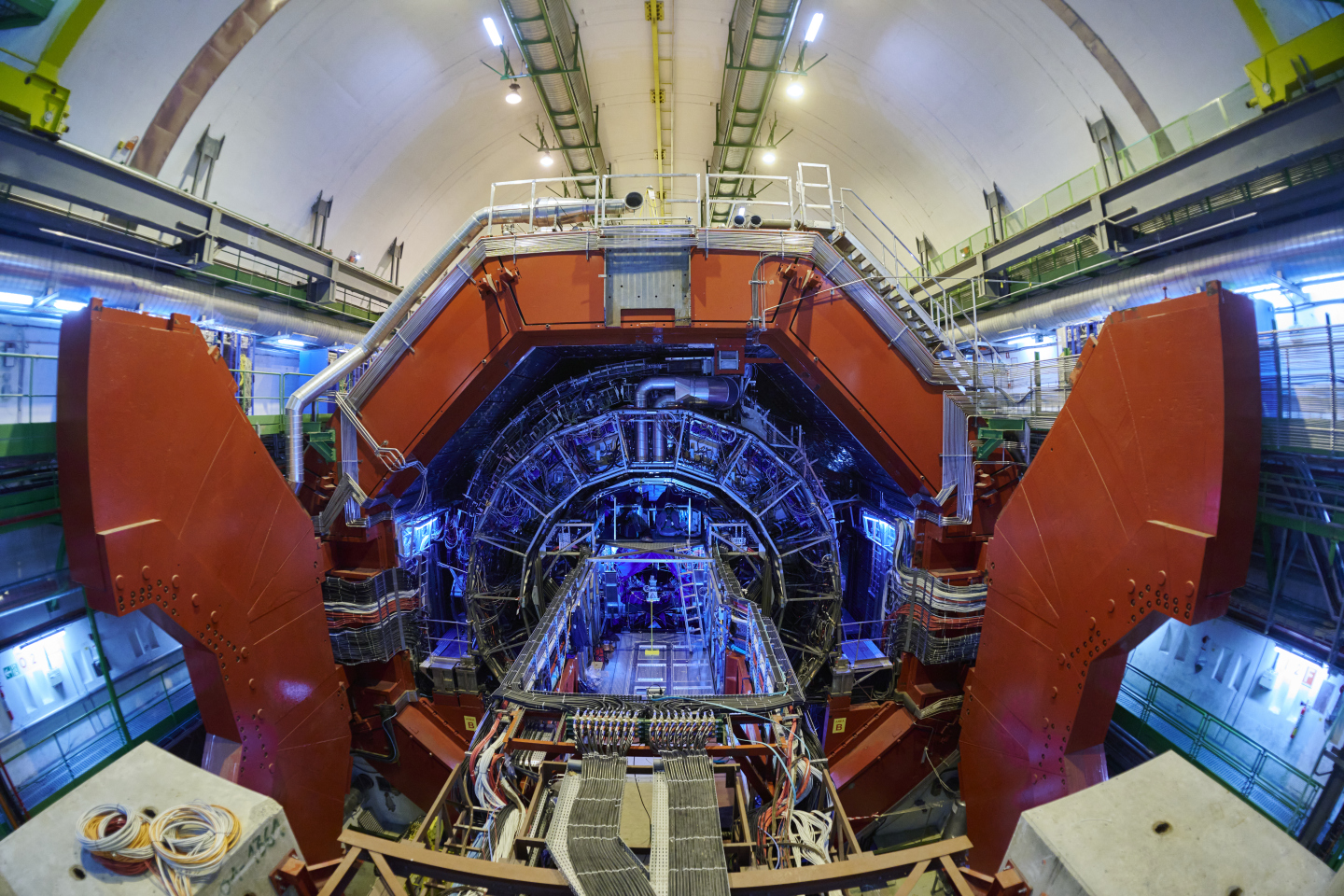
ALICE Detector (Image CERN)
Since the luminosity in the LHC is continually increasing thanks to regular upgrades to the machines, Run 3 has produced almost double the amount of gold that Run 2 did, but the total still amounts to trillions of times less than would be required to make a piece of jewellery.
CMS observes signs of attraction between top quark pairs.
April, 2025
The CMS collaboration has reported an excess in interactions involving top quark pairs. The results are consistent with a pair of top quark and antiquark embracing each other as a consequence of an attracting force. This effect, where top quark-antiquark pairs form a quasi-bound state called “toponium”, is expected within the standard model of particle physics. It can be thought of as slow-moving top quarks that exchange gluons, leading to binding effects.
An important question is whether this is indeed the result of a quasi-bound state between a top quark and an antiquark, or could the excess actually be caused by sources of physics beyond the standard model.
More here ...
CERN releases report on the feasibility of a possible Future Circular Collider (FCC).
March, 2025
After several years of intense work,CERN and international partners have completed a study to assess the feasibility of a possible Future Circular Collider (FCC). Reflecting the expertise of over a thousand physicists and engineers across the globe, the report presents an overview of the different aspects related to the potential implementation of such a project.

Artistic representation of FCC tunnel (Image CERN)
The report covers wide-ranging aspects related to the potential implementation of such a project. These include physics objectives, geology, civil engineering, technical infrastructure, territorial and environmental dimensions, R&D needs for the accelerators and detectors, socioeconomic benefits, and cost.
LHCb sheds light on two pieces of the matter–antimatter puzzle.
March, 2025
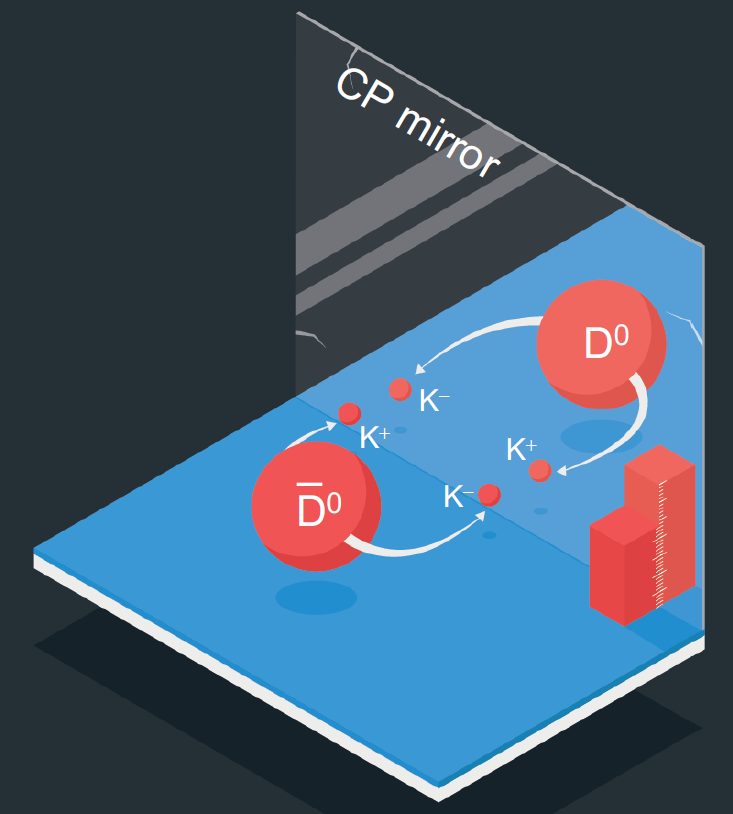
The Standard Model of particle physics predicts an asymmetry between matter and antimatter known as charge–parity (CP) violation. But the size of this asymmetry in the Standard Model is not large enough to account for the imbalance and the asymmetry has so far been observed only in certain decays of mesons. It remains to be seen in other meson decays and in decays of other types of particles, such as baryons.
(Image CERN)
In two new articles, the LHCb collaboration reports seeing evidence of CP violation in decays of baryons and in decays of beauty hadrons into charmonium particles, shedding light on these two pieces of the matter–antimatter puzzle.
Optical fibre link to make CERN more on time than ever.
February, 2025
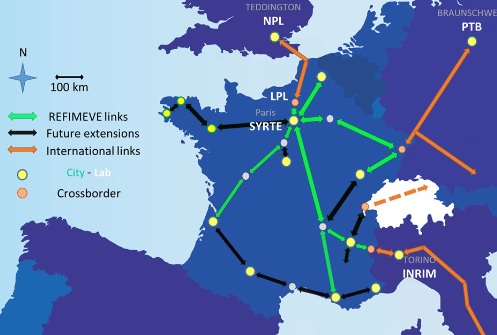
A new optical fibre link between CERN and Paris will provide the Laboratory with an accurate frequency reference, enhancing precision and supporting experiments like ALPHA in their search for matter–antimatter differences.
Taken from Ultrastable frequency transfer...
The link is part of the REFIMEVE network, a project that distributes an ultra-stable optical frequency reference to research laboratories across France and beyond via existing optical cables on the French internet network. It is a pilot implementation of a new project that aims to connect multiple experiments at CERN to REFIMEVE. This has the potential to improve the precision of clocks across CERN and could provide a new way for the Laboratory to access Coordinated Universal Time (UTC) – the global standard for timekeeping. The optical signal from the link can synchronise with UTC more precisely than via GPS satellite, which is currently used across CERN.
The ALPHA experiment moves towards the increasingly precise study of antihydrogen.
February, 2025
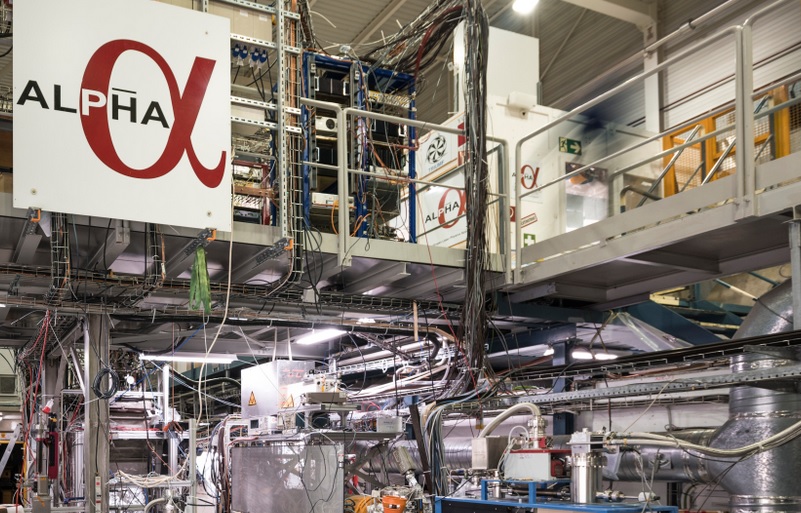
The structure and properties of hydrogen atoms have been extensively studied at high precision and are thus now well-understood. The key objective of the ALPHA experiment at CERN is to collect the same precise measurements for its antimatter counterpart, antihydrogen.
A recent work yielded some of the most precise measurements of antihydrogen reported to date. Specifically, the researchers simultaneously observed both accessible hyperfine components of the 1S–2S transition in trapped hydrogen atoms.
(Image CERN)
These equivalent measurements could help to settle long-standing theoretical debates. Specifically, if anti-hydrogen measurements agree with those of hydrogen, this would confirm that the physics of antimatter is compatible with the Standard Model, which is the basis of the present understanding of elementary particles and their interactions.
Clocking nature’s heaviest elementary particle.
Jan, 2025
In a first measurement of its kind at the LHC, the CMS experiment tests whether top quarks adhere to Einstein’s special theory of relativity, and improves the bounds on noncompliance by up to a factor of one hundred with respect to previous results.
Special relativity has stood the test of time. However, some theories, for instance particular models of string theory, predict that at very high energies, special relativity will no longer work. In particular, experimental observations could become dependent on the orientation of the experiment in space-time.That could be observable at lower energies, such as at the energies of the LHC.

(Image CERN)
More precisely, since the earth is rotating around its axis, the LHC beam and the average direction of top quarks produced in collisions at the center of the CMS detector also changes depending on the time of the day.
The new CMS result, which is based on data from the second run of the LHC, agrees with a constant rate, meaning that Lorentz symmetry is not broken and Einstein’s special relativity remains valid.
|
AUTHORS Xabier Cid Vidal, PhD in experimental Particle Physics for Santiago University (USC). Research Fellow in experimental Particle Physics at CERN from January 2013 to Decembre 2015. He was until 2022 linked to the Department of Particle Physics of the USC as a "Juan de La Cierva", "Ramon y Cajal" fellow (Spanish Postdoctoral Senior Grants), and Associate Professor. He is currently a Senior Lecturer at the Galician Institute of High Energy Physics (IGFAE) and leads the IGFAE team working on the CMS experiment at CERN.(ORCID). Ramon Cid Manzano, until his retirement in 2020 was secondary school Physics Teacher at IES de SAR (Santiago - Spain), and part-time Lecturer (Profesor Asociado) in Faculty of Education at the University of Santiago (Spain). He has a Degree in Physics and a Degree in Chemistry, and he is PhD for Santiago University (USC) (ORCID). |
CERN CERN Experimental Physics Department CERN and the Environment |
LHC |
IMPORTANT NOTICE
For the bibliography used when writing this Section please go to the References Section
© Xabier Cid Vidal & Ramon Cid - rcid@lhc-closer.es | SANTIAGO (SPAIN) |
